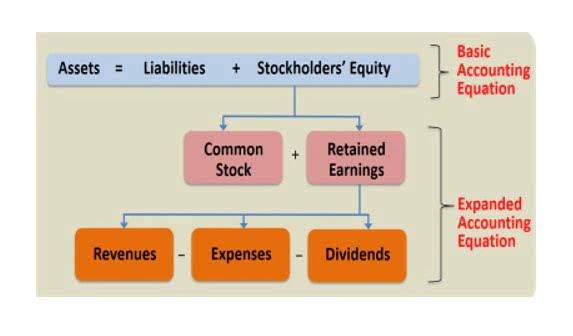
Determining the value of the donation will be the responsibility of the donor; however, it is the organization’s responsibility to provide written acknowledgment of donations worth $250 or more. This is an Internal Revenue Service (IRS) requirement for donors to receive tax deductions. Because in-kind donations don’t come in the form of physical cash, they can be confusing when it comes to recordkeeping. These donations are recorded as monetary values, Law Firm Accounts Receivable Management determined by the fair market price you’d otherwise pay for the goods or service you received. Schools, foundations, and nonprofits are constantly on the lookout for donations to help them achieve their goals.

What happens if you improperly record an in-kind donation?
Make the most of your donors’ generosity by creating a clear in-kind giving strategy with the help of the tips in this guide. To claim an in-kind donation as a charitable contribution, you’ll need a written acknowledgment from the charity, but it won’t assign any dollar amount or value to the donation. Tailored outreach, such as individual letters to potential donors, can be particularly effective when board members and volunteers utilize their contacts for in-kind needs. This personal touch can make all the difference in securing valuable contributions, as it adds a level of trust and commitment to the request. If you are interested in LegalZoom’s services and would like further guidance concerning political committees and in-kind donations, we can provide legal support from our network of experienced attorneys.
What to Include in an In-Kind Gift Acceptance Policy
Similarly, a health-focused nonprofit may utilize donated medical supplies or equipment to provide essential services to underserved populations. By strategically incorporating in-kind donations into their programs, nonprofits can amplify their reach and effectiveness while maintaining fiscal in kind donation responsibility. In addition to direct program support, nonprofits often leverage in-kind donations for fundraising efforts and community events. When individuals or businesses contribute goods or services, they often feel a sense of ownership and pride in the organization’s mission. This connection can lead to increased volunteerism and advocacy, as donors become more invested in the success of the nonprofit. Additionally, in-kind contributions can enhance an organization’s visibility within the community, attracting new supporters who may be inspired by the collaborative spirit of giving.

Social Media
- Imagine the joy on a child’s face when they receive a new book, or the relief of families when they are given essential supplies after a disaster.
- However, if the organization is volunteer only, comparable labor wages within the same location may be used to determine the appropriate rate.
- Specify the types of gifts that help your mission the most and the condition that each item must be in.
- Here are a few groups you may want to reach out to and how you can approach the conversation.
- In-kind expertise donations foster knowledge sharing and collaboration between professionals, promoting innovation and problem-solving.
- Make your information page user-friendly by using clear language, and demonstrate the impact of in-kind donations through multimedia content.
- Nonprofits can also ask their board members, staff, volunteers, local businesses, and companies with corporate giving or sponsorship programs for in-kind donations.
Of course, you QuickBooks may have additional concerns based on your nonprofit’s unique situation, which external fundraising specialists (like the team at Winspire!) can help you navigate. Although these challenges are common, many nonprofits find that the benefits of accepting in-kind gifts far outweigh them. Besides marketing your campaign, you can also send out direct appeals to individuals and businesses alike for possible in-kind contributions. These dedicated appeals can help you encourage larger contributions from your donors.
- Whether you’re making an in-kind contribution or receiving an in-kind contribution as a 501(c)(3) organization, you may have questions about the types and values of in-kind donations.
- With an intentional strategy and clear communication, you can foster more in-kind giving and receive more of the goods and services that are most helpful for your mission.
- When you start planning an auction, get your team together to brainstorm a wish list of auction items.
- In-kind donations allow nonprofits to access goods and services that they may not be able to afford to purchase.
- By accepting in-kind donations, you can ask your donors to provide resources for your mission in ways that may be more accessible for some of your supporters.
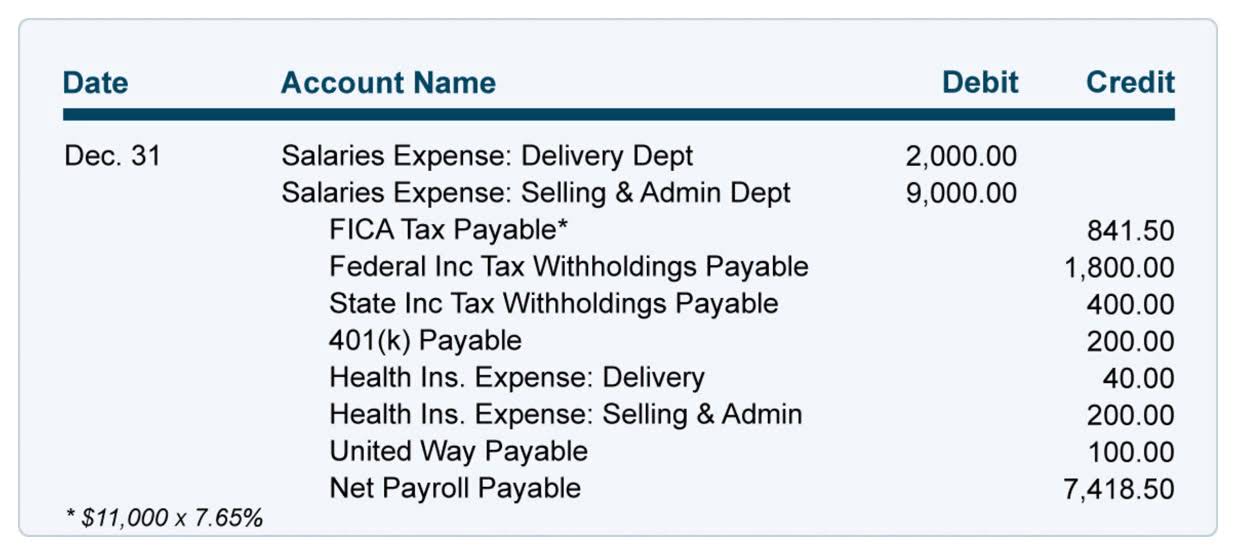
- Before you do this, you’ll have to come up with a “fair value” of the in-kind donation based on the market value.

Correctly valuing in-kind donations is not only important for auction item pricing but also for keeping accurate records of all contributions made to your organization. This practice helps promote transparency about your financial status, which can lead to increased confidence in your nonprofit and stronger donor relationships. When you start planning an auction, get your team together to brainstorm a wish list of auction items. Then, identify which items would be easiest to secure as in-kind donations and divide up the responsibilities for soliciting them. When your nonprofit receives monetary donations, you spend that funding on various organizational expenses.
How Individuals and Businesses Can Make In-Kind Donations

Moreover, these donations can serve as additional revenue, enabling organizations to undertake activities that might otherwise be financially unfeasible. Imagine the joy on a child’s face when they receive a new book, or the relief of families when they are given essential supplies after a disaster. These scenarios underscore the importance of donated goods and products as in-kind contributions.